
Experts on the subject clashed over the liberalization of the Chinese economy during a book forum at the Cato Institute on Oct. 15.
Ning Wang, assistant professor of global studies at Arizona State University and co-author of How China Became Communist, said, “It’s fair to say that no one has foreseen that socialized modernization of the post-Mao Chinese government launched would, in 30 years, turn into what scholars call China’s great economic transformation.”
“Today, I don’t need to present any statistical data to convince you of the rise of the Chinese economy, even though China still faces enormous challenges ahead,” he said.
The People’s Republic of China has led a global decline in poverty over the past 20 years since founder Mao Zedong’s death in 1976. Meanwhile, a 2009 World Bank report claims that over 300 million people living in rural areas in China still have no access to safe drinking water.
Nevertheless, China’s economy has been transformed from the inside out, and that transformation has occurred through bottom-up marginal revolutions rather than centrally planned initiatives, he said.
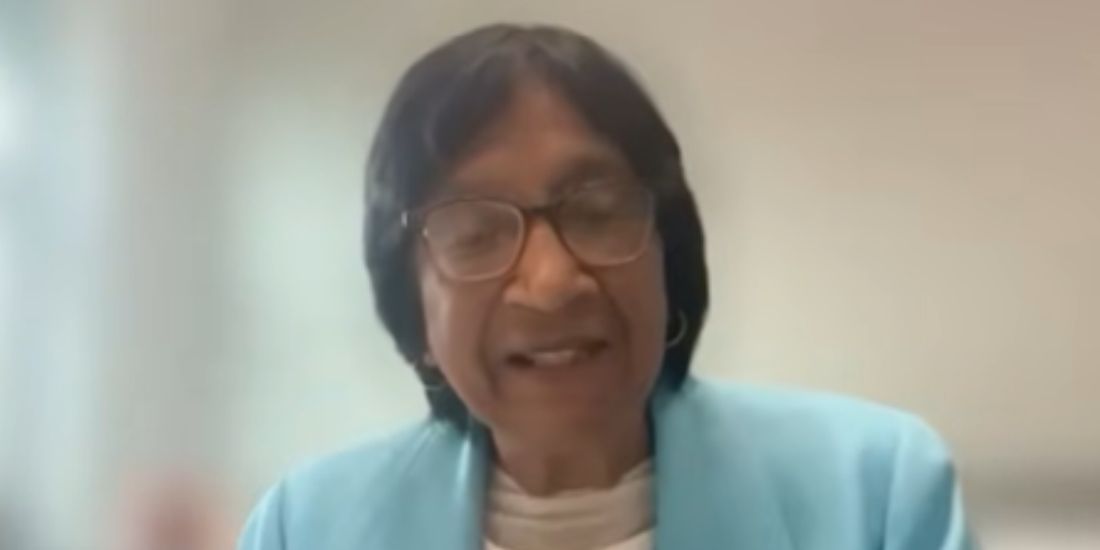
Robert Coase, Nobel Laureate in Economics and co-author of How China Became Capitalist, weighed in on his and Wang’s argument via video from the University of Chicago:
[youtube
“One of the marginal revolutions was the introduction of private farms, previously which had been collectivist and run by the government. Gradually, private farming was introduced in spite of the government,” he says in the video.
Albert Keidel, senior fellow at the Atlantic Council’s Asia Program, compared the book’s free-market arguments to a helicopter drop-in.
“The book kind of juxtaposes a whole range of facts with these helicoptered generalizations that get dropped in about the beauty of the market,” he said.
In reality, Keidel said, both the political sphere and the role of macroeconomic cycles promoted economic reform in China in the 1980s. Wang and Coase’s book doesn’t adequately take account of this factor, he said.
“The word went out from the party that you need to experiment, we’re in a wholly different situation now that Mao is dead, and see what bubbled up,” he said.